
Women's Hormone Health Care in Massachusetts
Naturopathic care from Dr. Amber Vance, ND, for painful periods, bloating, low energy, mood changes and midlife weight gain. She sees patients in Belmont.
How Hormones Show Up in Everyday Life
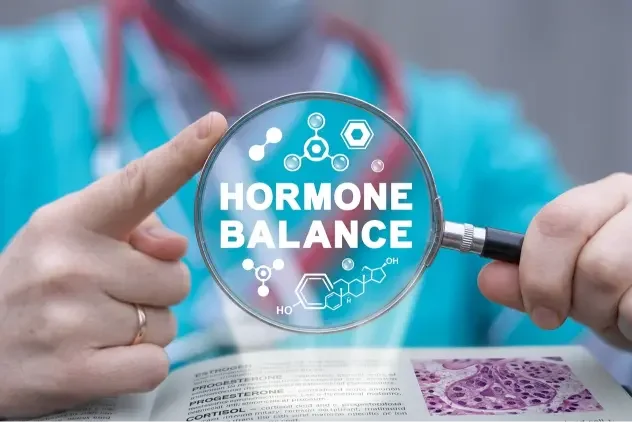
Hormones play a part in your cycle, your energy, your sleep, how you handle stress and where your body stores weight. When they shift, the effects can appear in several places at once. That's why the symptoms often feel scattered and hard to pin down.
"Hormone imbalance" isn't one diagnosis. It's a broad way of describing changes that can have more than one cause. Naturopathic hormone health care starts by working out which of those causes apply to you, then looks at what will help. Some respond to changes in nutrition, sleep, stress and daily habits. Others need further investigation or medical treatment, and I'll say so when that's the case.
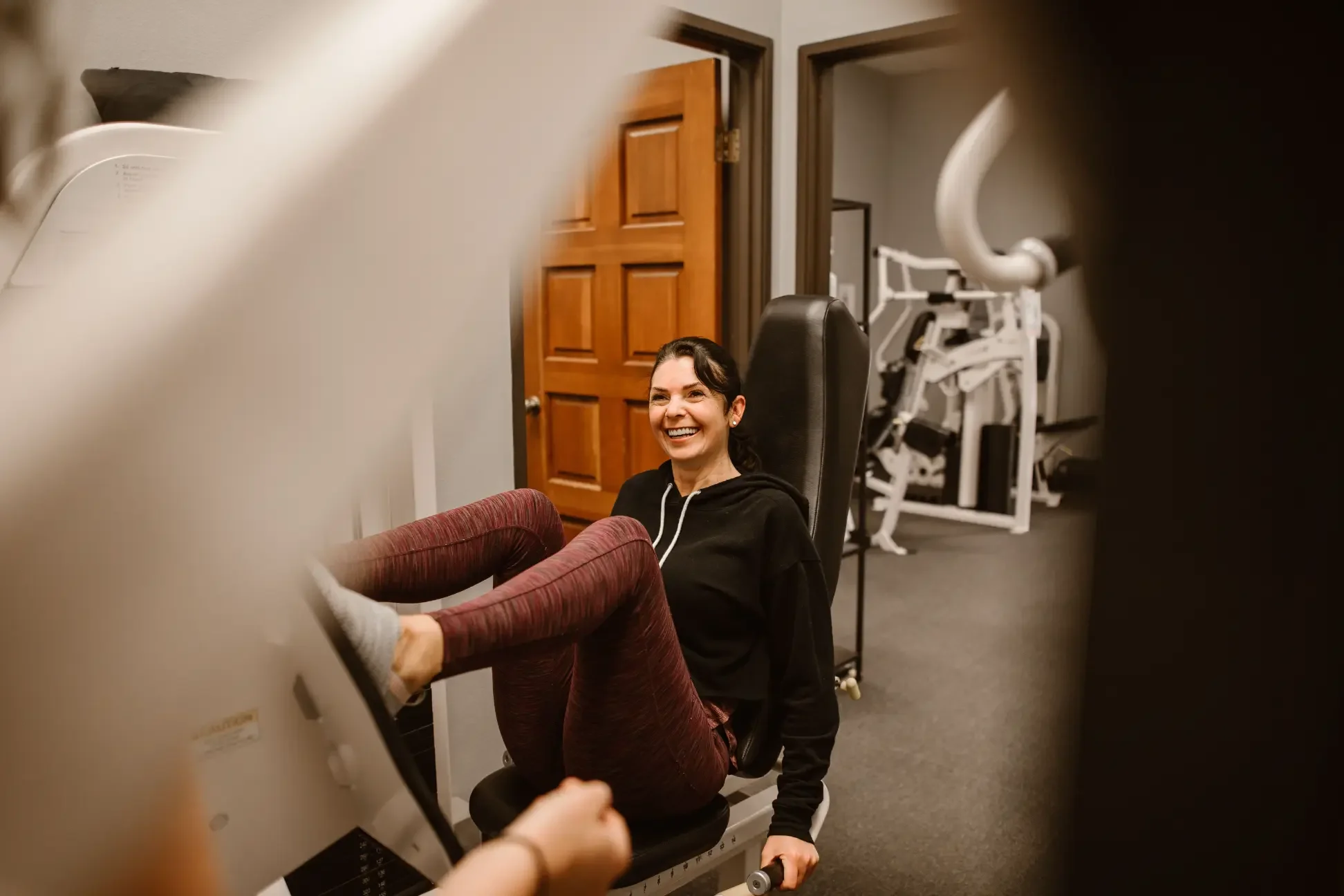
Signs of Hormone Imbalance in Women
These are the hormone-related concerns I help women with. Many of them can also have causes outside your hormones, so an assessment always comes before any recommendations.
Period Concerns
Painful periods, plus bloating or water retention in the days around your period. Pain that persists or gets worse, very heavy or changing bleeding, and any bleeding after menopause should always be checked by a clinician.
Weight and Blood Sugar
Weight that gathers around the belly, or blood sugar that's starting to creep up. Hormones, diet, genetics and medical history can all be involved.
Energy and Mood
Fatigue that rest doesn't fix, or anxiety that seems to come out of nowhere. Stress and sleep are among the things we'll look at.
Perimenopause
Hot flashes, memory lapses and other changes that arrive in midlife. The menopause care page covers this stage in depth.
How Hormone Imbalance Treatment Works
Treatment depends on what the assessment finds. Some options, like prescription medication, fall outside my scope as a naturopathic doctor, but there are always lifestyle changes that can help.
Assessment
Your symptoms and when they appear, along with your cycle, sleep, stress, nutrition and medical history. Genetics can be part of the review, and hormone levels and other labs are checked when clinically appropriate.
Treatment Options
Nutrition changes, plus support for sleep, stress and movement. Supplements may be suggested once the evidence and possible interactions have been weighed, and mindfulness practices can play a part.
Prescription Hormones
In Massachusetts, naturopathic doctors can't prescribe, dispense or administer hormones that require a prescription. If prescription hormone therapy is something you want to explore, a prescribing clinician is the right person to see.

Have Questions Before You Book?
You can send a question through the contact page, or set up a free 15-minute discovery call to talk it through.
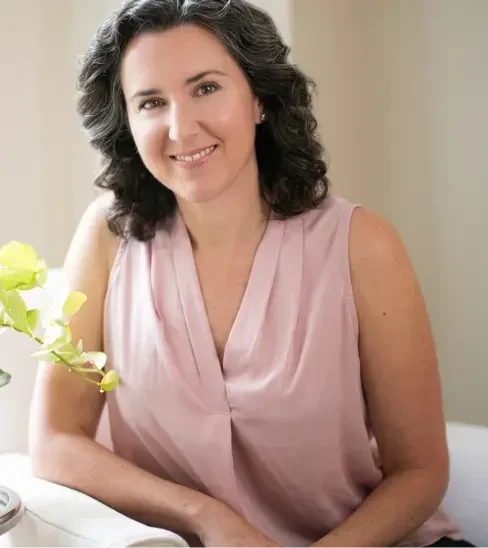
Meet Dr. Amber Vance, ND
If you've been looking for a women's hormone doctor, it helps to know exactly who you'd be seeing. I'm a naturopathic doctor licensed in Massachusetts and with the College of Naturopaths of Ontario. I hold an honors degree in psychology and physiology from Western University, I'm a Menopause Society Certified Practitioner, and I've completed a Precision Medicine Fellowship.
I see my role as a partner in your care. We deal with your most pressing concern first, then set goals you can realistically reach and work toward them together.
Outside the clinic, I'm usually running, reading or spending time with my family.
Where I See Patients in Massachusetts
The practice is based in Belmont, and first visits are preferably held there in person. Follow-up appointments can also take place by telehealth, as long as you're in Massachusetts at the time.
The practice welcomes women from towns across the state, including Belmont, Lexington, Arlington, Boston, Medford, Bedford, Lowell, Peabody, Worcester, Milford, Norwood and Natick.

Frequently Asked Questions
-
Not exactly. Endocrinologists are medical doctors who specialize in hormone disorders, and some conditions need their care. As a naturopathic doctor, I work on hormonal health through assessment, nutrition, lifestyle and integrative care, and I'm also a Menopause Society Certified Practitioner.
-
When it's clinically appropriate, yes. Hormone levels and other labs can help clarify what's going on, but not every concern needs testing. Results are always read alongside your symptoms and history.
-
It can be one factor. Hormones, blood sugar regulation, diet, sleep, stress and genetics all affect weight, including weight that settles around the belly. Part of the assessment is working out which of these matter most for you.
-
This page covers a wider range of hormone concerns, from cycle problems to blood sugar. If your symptoms are tied to perimenopause or menopause, that page is the better place to start.
-
You can begin with a free 15-minute discovery call or send a question through the contact page. The first full visit lasts an hour, and I recommend at least two follow-ups of 30 or 45 minutes after it.
Start With a Free 15-Minute Call
Use the discovery call to describe your symptoms, hear how I work and decide whether my approach suits you.